A large variety of fabrics has been introduced in the textile industry over different time periods, each known for its unique qualities. Among them, chenille stands out due to its softness and rich texture, making it a popular choice for designer clothing. Chenille patches are especially trending today because they add an elegant, cute, and visually appealing touch to garments.
Historically, the Leno technique was first used to create chenille yarn in France. In 1830, Alexander Buchanan developed chenille fabric in Scotland to produce warm shawls. Later, William Quiglay and James Templeton introduced chenille rugs. Over time, chenille evolved from cozy clothing material to a fashionable patch option widely used today.
‘https://idealpatches.com/chenille-patches/
Technique for Making Chenille Patches
The process of making chenille patches has evolved with technology. Today, a standardized method is used to ensure quality, durability, and consistent design.
Digitizing the Patch Design
The process begins with an embroidery artist creating a digital patch design using modern embroidery software. This digital file guides the embroidery machine throughout production.
Choosing the Fabric
Chenille strands can be made from acrylic, cotton, or blended fibers. Selecting the right material is essential, as it impacts the softness, durability, and overall appearance of the patch.
Design Formation Through Embroidery Machines
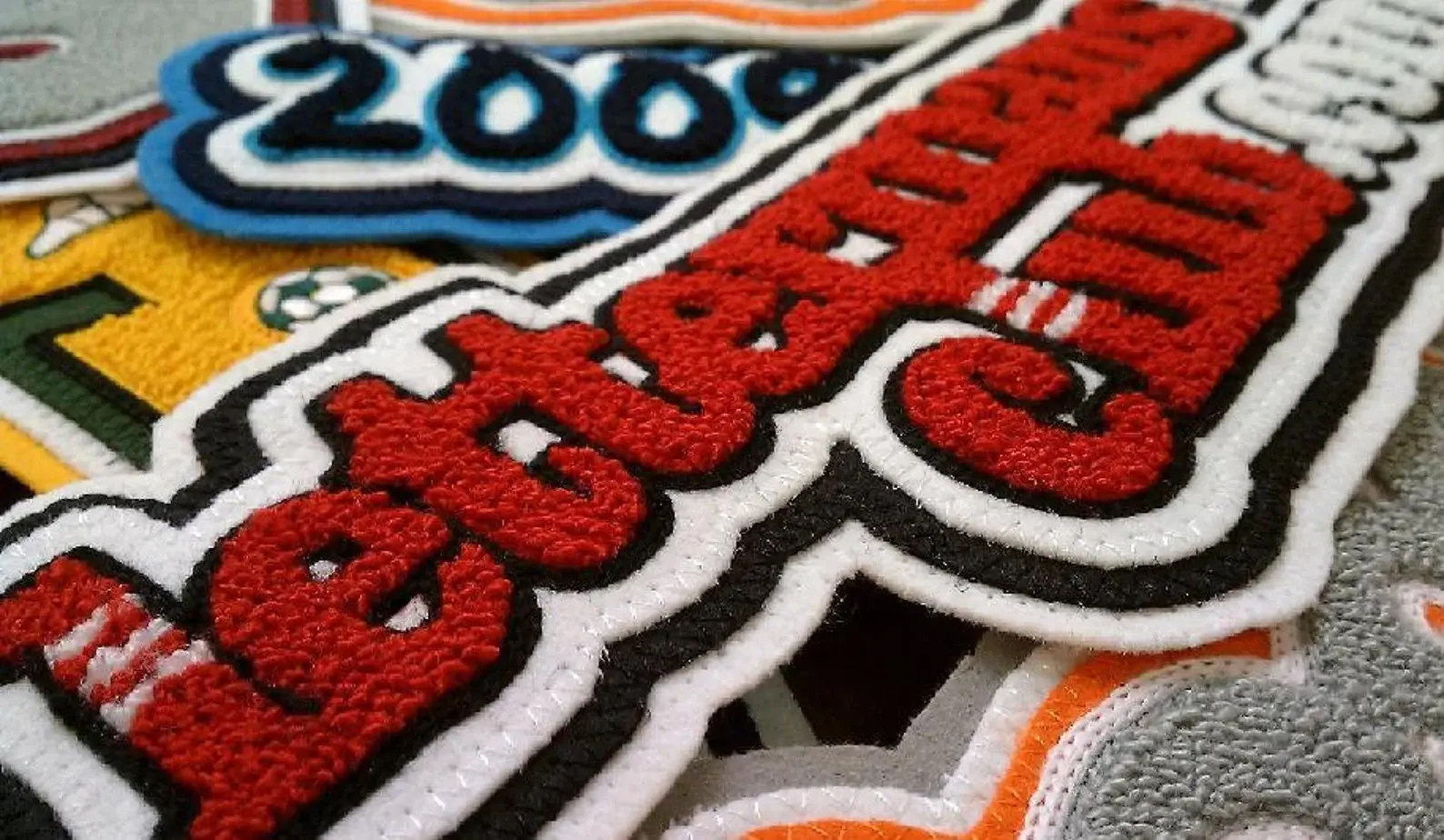
The design is stitched onto a base material using specialized machines that twist chenille yarn into small circular loops. These loops form a raised, textured surface. Standard embroidery is often added around the edges to enhance detail and definition.
Final Touch
To increase durability, the patch edges are securely stitched, preventing threads from loosening and ensuring long-lasting use.
Techniques of Applying a Chenille Patch
- Sewing Technique: The patch is stitched directly onto the garment for permanent attachment.
- Iron-Press Method: Heat is applied to activate adhesive backing, bonding the patch to the fabric.
- Glue Application: Strong fabric glue is used for quick and simple attachment.
- Temporary Attachment: A hook-and-loop system allows easy removal and reattachment.
Common Uses of Chenille Patches
- College and School Jackets: Commonly used to display school initials or student achievements.
- Sportswear and Caps: Applied to uniforms to represent teams or organizations.
- Crafted Items: Ideal for handmade products where creators want to showcase custom logos.
- Business Promotion: Used for branding and event promotions due to their eye-catching appeal.
- Fashion Enhancement: Adds a premium and stylish look to hoodies, sweaters, and winter wear.
Most Common Chenille Patch Design Ideas
Initials or Words
One of the most popular designs features the first letter of a name or brand, commonly seen on jackets and caps.
Sports and Events
Patches are designed to represent sports teams, tournaments, or special events with unique symbols and colors.
Special Dates or Occasions
Chenille patches can commemorate birthdays, anniversaries, or meaningful milestones with custom designs.
Number Designs
Numbers are often used on sports jerseys or casual wear to represent player numbers or specific identifiers.